
Professor
Dr. Garry has published over 100 papers in the area of retrovirology

As a rare strain of Ebola spreads in the Democratic Republic of the Congo and Uganda, public health teams are facing a major challenge: Unlike the better-known Zaire Ebola virus, the Bundibugyo virus behind this outbreak has no approved vaccine or specific treatment. Care is currently limited to supportive measures, making rapid detection, isolation and development of new countermeasures critical.
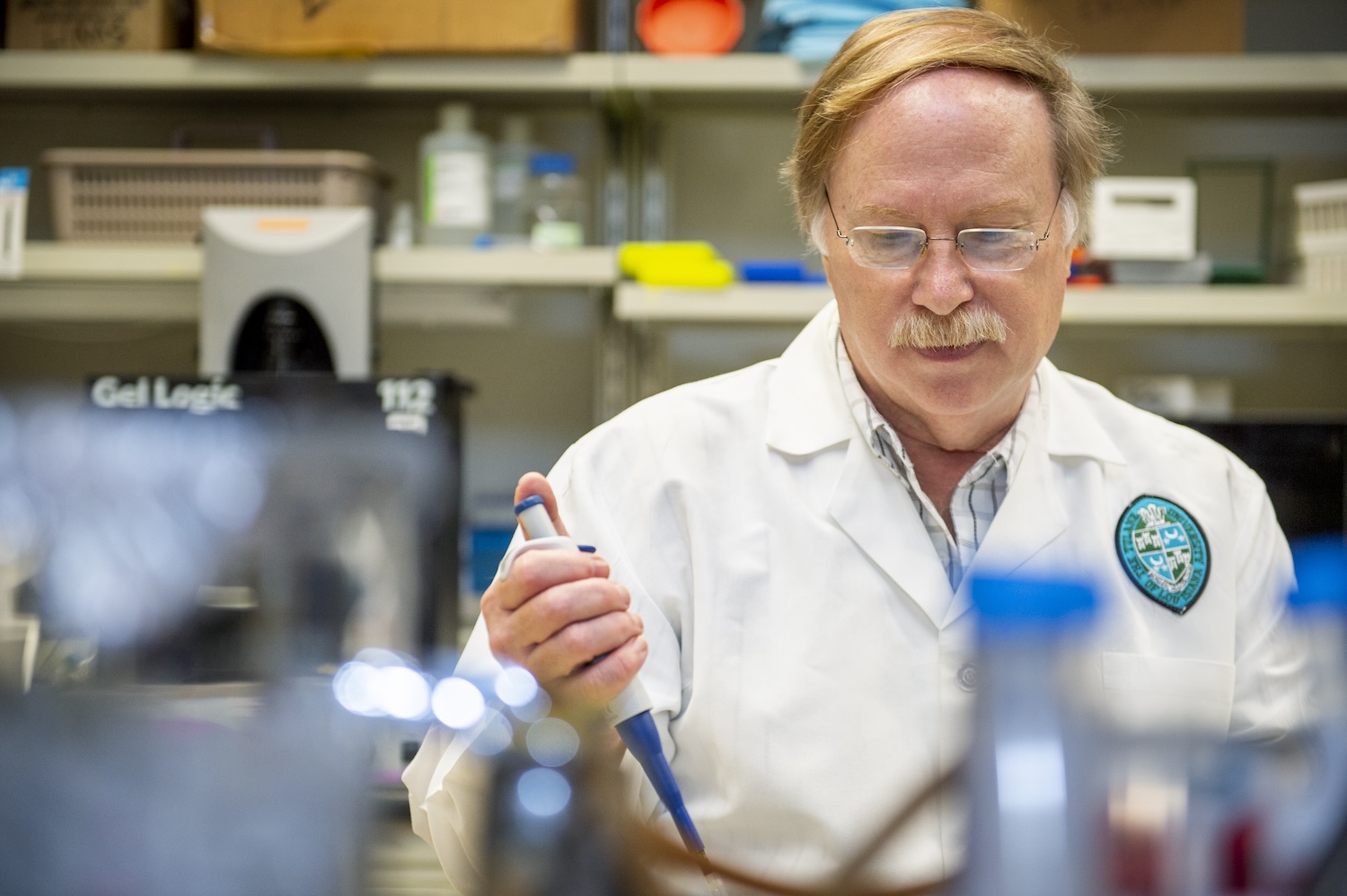
Bob Garry, PhD, a Tulane University virologist who has spent decades studying hemorrhagic fever viruses and developing diagnostics, antibody therapies and vaccines, is available to discuss what it would take to create rapid tests and treatments for Bundibugyo Ebola.
Garry worked in Sierra Leone during the 2014 West Africa Ebola outbreak, where his team sequenced the virus, developed diagnostic assays and helped conduct a major clinical study of Ebola patients. Garry said the current outbreak is “reminiscent” of West Africa in 2014 because it appears to have spread before being detected.
“Plenty of work has been done to research Bundibugyo virus tests and treatments. We already have the reagents necessary to produce a test, so it wouldn’t take long with the right people brought together,” Garry said. “As far as a treatment, it would take longer, maybe months, to scale up the needed monoclonal antibodies.”
Garry is available to discuss:
To schedule an interview, please contact Andrew Yawn, assistant director of media relations at Tulane University, at ayawn@tulane.edu.
Professor
Dr. Garry has published over 100 papers in the area of retrovirology
