
Student-led program uses data to help community groups address challenges
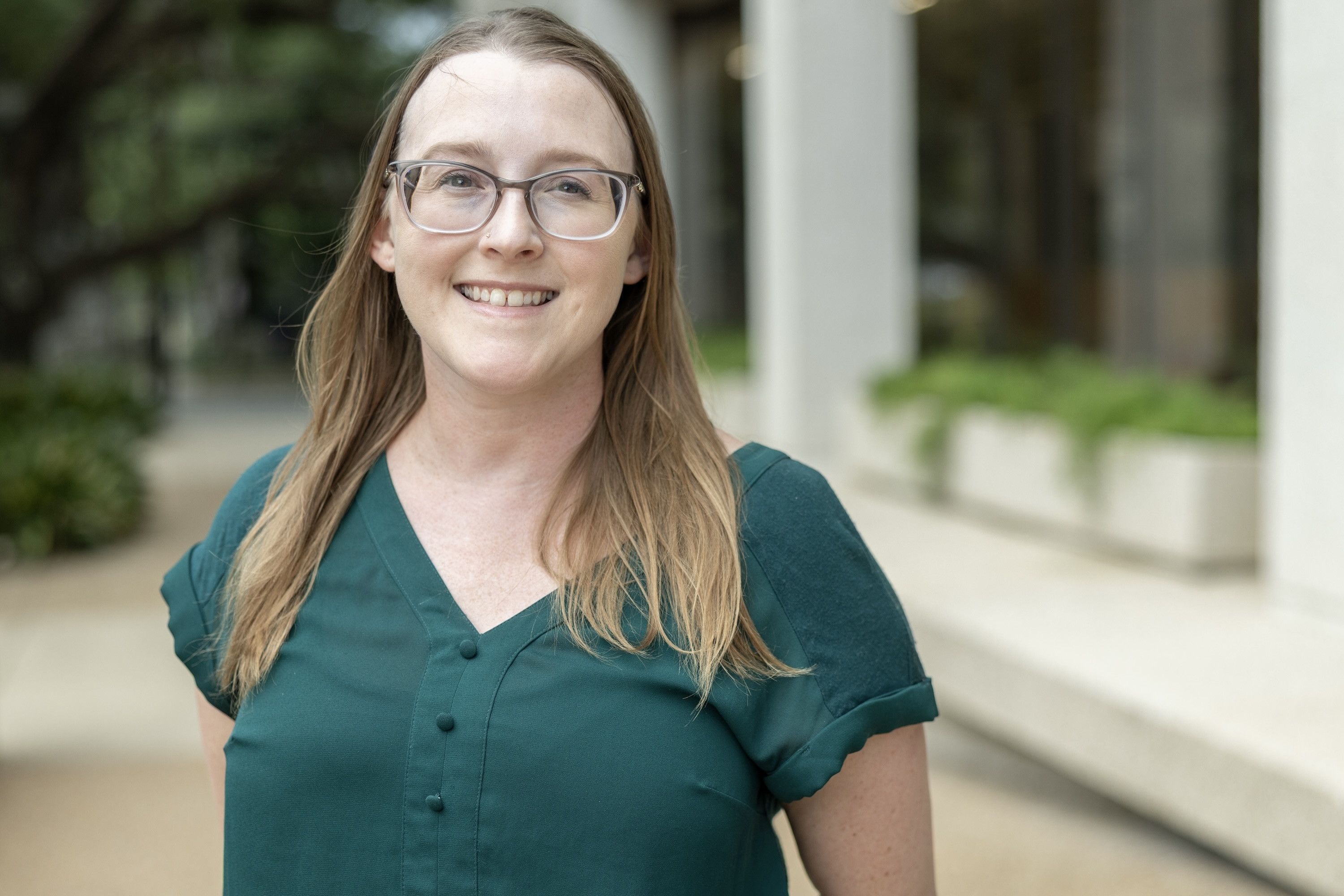
A program in the Connolly Alexander Institute for Data Science (CAIDS) is providing students with real-world experience in an increasingly impactful field.
The Data Research Internship Program is a student engagement initiative that enables a team of students to work with Tulane faculty and staff, as well as community organizations such as the Frances Joseph Gaudet Legacy Project and the Junior League of New Orleans, on data-focused projects. The students build websites, input data, create visualizations and more.
One of the projects students have been working on since 2022 is a database for Civil War and abolitionist monuments.
The goal of the monuments project is to support the efforts of Kristina Plunkett, who recently graduated with a PhD from the Department of History in the School of Liberal Arts. Plunkett is working to create a map and timeline of Union, Confederate and abolitionist monuments built around the country. The database will be used as a tool for education, research and community engagement. The project has involved a lot of data entry and data cleaning, far too much for one person to do by themselves. Working with the program has allowed Plunkett to obtain the information she needs and provided the students with experience handling large volumes of data.
The internship program is guided by Jacquelyne Thoni Howard, senior professor of practice and associate director of student engagement in CAIDS.
The initiative started as the Digital Research Internship Program in the Newcomb Institute. Howard brought the program with her when she joined CAIDS.
Collaboration is at the center of the effort, Howard says, both among the students and between the students and their project community groups. That is by design.
“I believe that if community comes first, then your projects will be better,” said Howard.
Most of the projects are in the area of digital humanities, a growing field that attempts to solve humanities-based challenges such as the creation and organization of archives, the visualization of historical information like timelines or maps and the improvement of data literacy through computing. The team plans to expand the scope of their work to include more projects from a wide variety of fields over the next year.
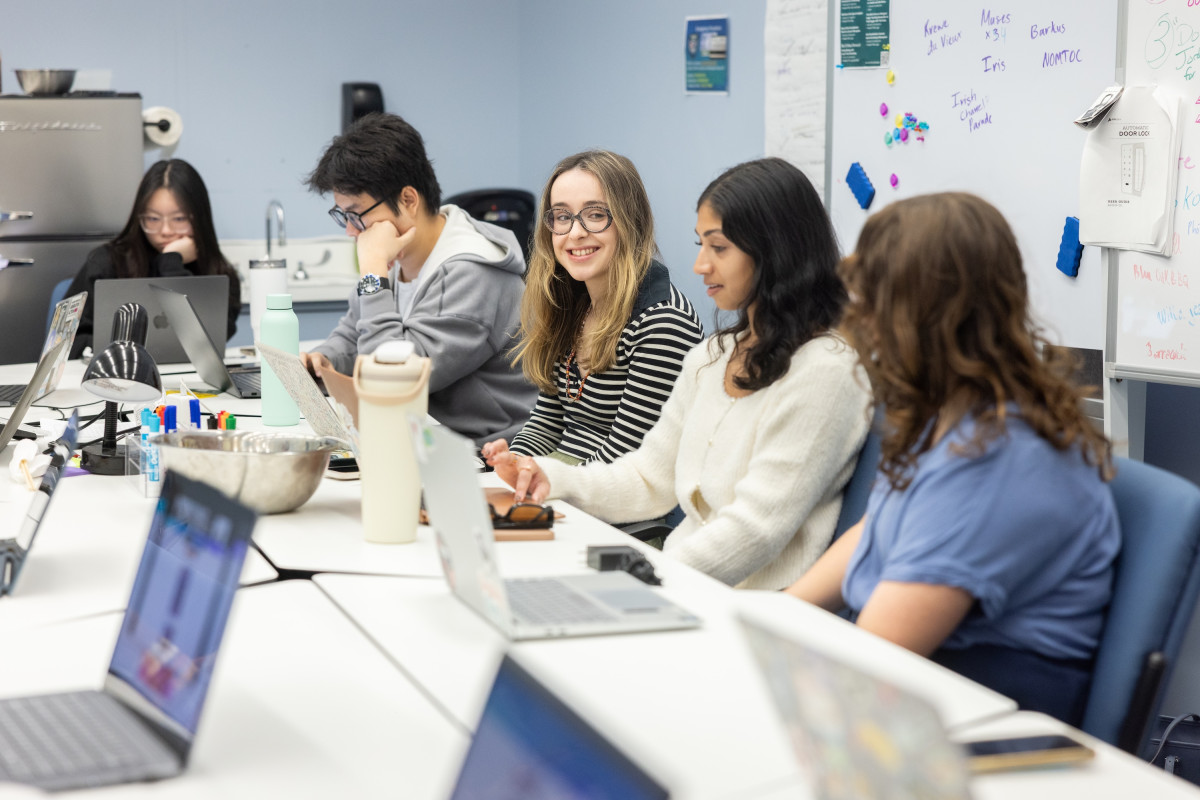
Two students in the program act as product developers, liaising with organizations and keeping their team of data research interns on track. The interns meet each week to go over their progress and help each other with problems.
“A lot of our work is actually helping teach each other how to do something, or showing off what we're doing in the meetings,” said product developer Julia Miller, who recently graduated with a Bachelor of Arts in anthropology and environmental studies from the School of Liberal Arts. “Part of the goal of the program was to give people like me more technical skills and to bring the humanities to people who already have a lot of technical skills, because all the projects we work on tend to have a human focus. That way we can do this interdisciplinary, ‘best of both worlds’ thing, and learn from each other’s strengths.”
Miller’s fellow product developer Meghan Nagia, who recently graduated with a Bachelor of Science in exercise science from the School of Professional Advancement and a minor in strategy, leadership and analytics from the School of Liberal Arts, agreed. “This is a space where you can be passionate about technology and data and design, but you don’t necessarily have to be an expert in it,” she said.