
Tulane University launches new effort to fast-track development of durable medicines
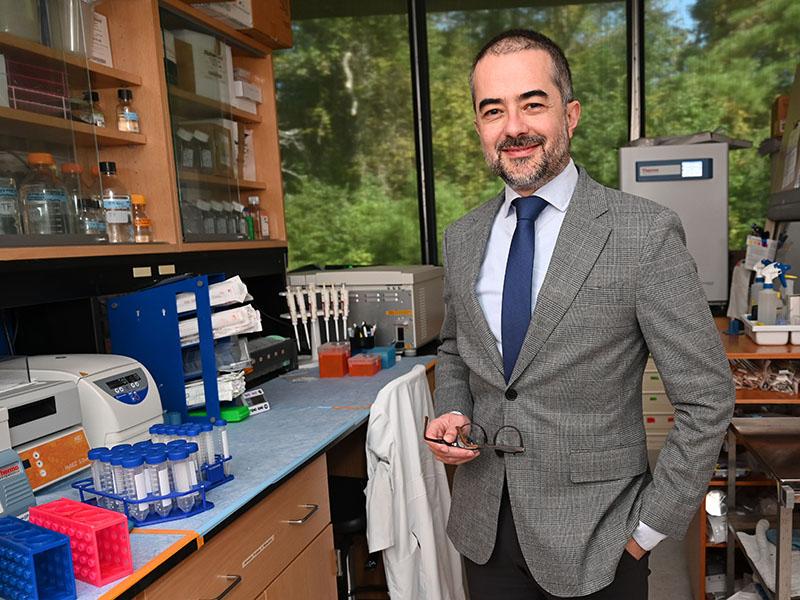
Tulane University has received a nearly $1 million grant from the Gates Foundation to establish a Durable Medicine Model Unit at the Tulane National Biomedical Research Center. The new unit will bring multiple research partners under one roof for standardized studies that will speed the development of long-lasting treatments for major global health threats.
Durable medicines are more like long-lasting drugs than vaccines, which work by training the immune system to recognize and remember a threat so it can fight off future infections. These medicines use proteins or antibodies that remain active in the body for months at a time, controlling or preventing disease with a single dose. This approach could transform care in regions where regular access to health services is limited, offering new ways to manage persistent diseases such as HIV, malaria and tuberculosis.
The Tulane unit will function as a shared service where Gates Foundation partners can test their therapies under common protocols. By centralizing study design and laboratory procedures, this first-of-its-kind model streamlines a process that often takes months to launch. The result is faster timelines, reduced costs and more consistency across projects.
“With support from this funding, we can create an innovative research model that dramatically accelerates the path from laboratory to clinical application for durable medicines that could protect vulnerable populations for months with a single dose,” said Amir Ardeshir, DVM, PhD, associate professor of microbiology and immunology at the Tulane National Biomedical Research Center and the unit leader. During its first year, the unit will support three different research initiatives, centralizing expertise to accelerate the therapeutic development pipeline.
The model incorporates New Approach Methodologies (NAMs), combining advanced lab tests and computer-based tools alongside nonhuman primate studies. Together, these methods give scientists a clearer view of how therapies work at the molecular level. This complementary approach speeds development, reduces animal use and delivers results that are consistent across projects.
“Tulane has the right mix of expertise and resources to take on this kind of collaboration,” said Jay Rappaport, PhD, director of the Tulane National Biomedical Research Center. “By bringing partners together under one system, we can shorten timelines, lower costs, and help promising medicines reach the people who need them faster.”